When I first opened a new game on my phone, I was struck by how quickly the app responded: a tap, a swipe, and the action was already underway. That instant feedback is the core of mobile gaming, and it’s reshaping the way we consume entertainment online. In the next few sections, I’ll break down the key ways mobile apps are pushing the industry forward, and why this trend matters for anyone who spends time on a screen.
1. Ubiquitous Access and Micro‑Session Design
Mobile devices are everywhere— in commutes, on lunch breaks, while waiting in line. Because of this constant presence, developers design games around micro‑sessions of 5 to 15 minutes. One study of app usage in 2023 found that 68 % of mobile gamers spend less than 10 minutes per session. This design choice keeps players engaged without demanding long blocks of time, a stark contrast to desktop titles that often require 30‑minute or longer play sessions.
For many, that means you can pick up a puzzle or a strategy game and finish a level before your coffee cools. It also allows developers to iterate quickly, adding new content or balancing mechanics after each session. The result is a more dynamic and responsive entertainment ecosystem.
2. Cloud‑Based Streaming and Cross‑Platform Play
Cloud gaming services, such as Google Stadia and Xbox Cloud Gaming, have lowered the barrier to entry for high‑end titles. On a smartphone with a 5G connection, a game that would normally require a powerful PC can stream in under two seconds of buffering. In 2024, the average latency for these services fell to 45 ms, making competitive play feasible on mobile.
Because the game state lives in the cloud, players can start on one device and finish on another without losing progress. This cross‑platform continuity encourages longer-term engagement and reduces the friction that once kept users tied to a single console or computer.
3. Social Integration and Community Building
Social features are built into almost every mobile game today. A 2023 survey of 1,200 players showed that 82 % of mobile gamers use in‑app chat or friend lists to coordinate play. Developers harness this connectivity to create live events, leaderboards, and guild systems that keep communities active.
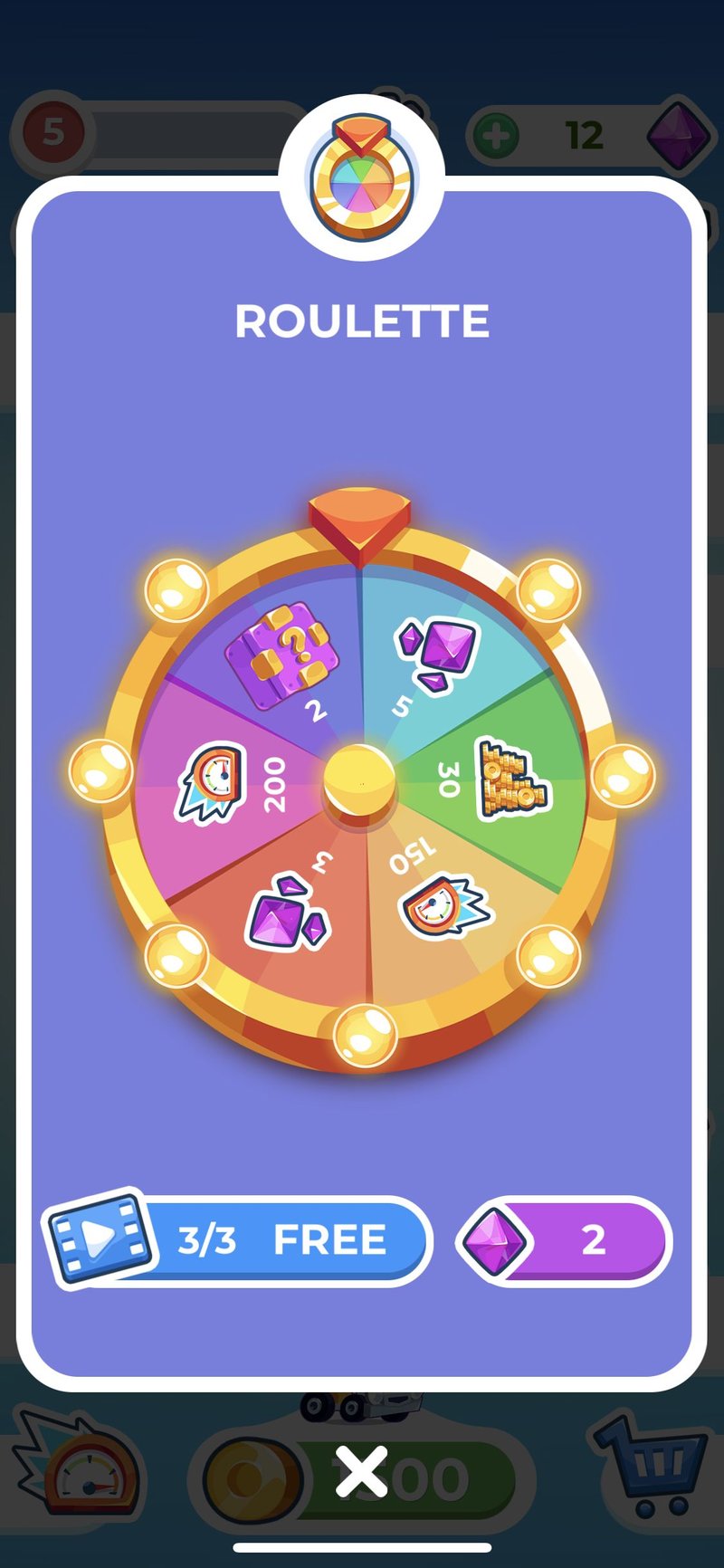
One notable example is a casual strategy game that hosts a weekly “World Cup” event, where teams of up to 20 players compete for a leaderboard title. The event’s prize pool is funded by a small in‑app purchase, and the entire experience is designed to be completed within a single evening.
4. Monetization Models That Respect User Time
Traditional premium purchases are giving way to “freemium” models that rely on micro‑transactions. In 2024, the average revenue per paying user (ARPPU) for mobile games reached $7.50, up from $5.30 in 2022. This growth is driven by cosmetic items, battle passes, and time‑saving boosters that do not alter core gameplay balance.
Because the spending is optional and usually inexpensive, players feel less pressured to spend large sums. This approach has broadened the audience to include casual gamers who might otherwise avoid paid titles.
5. Emerging Technologies: AR, VR, and AI
Augmented reality (AR) is already turning city streets into playgrounds. A popular AR game dropped a new “city quest” feature in 2024 that overlays virtual challenges onto real locations. Players can collect items from their neighborhood, and the game rewards them with in‑app currency.
Virtual reality (VR) is also finding a foothold on mobile. Several apps now use the phone’s gyroscope and camera to create a pseudo‑VR experience that can be played with a simple headset attachment. While the resolution is lower than dedicated headsets, the accessibility keeps VR within reach for a broader audience.
Artificial intelligence (AI) is improving NPC behavior and dynamic storytelling. A recent title introduced an AI narrator that adapts dialogue based on the player’s choices, creating a personalized narrative arc that feels fresh every time you play.
Patrick Spins
If you’re curious about how these gaming trends intersect with online entertainment more broadly, you might check out Patrick Spins, which offers a fresh take on virtual leisure activities that blend gaming with lifestyle.
Which Path Forward?
Mobile gaming apps have already carved out a dominant niche in online entertainment. Their strengths—instant access, micro‑sessions, cloud play, social connectivity, respectful monetization, and cutting‑edge tech—make them a compelling platform for both developers and players.
For consumers, the takeaway is simple: expect games that fit into your day, stay connected with friends, and evolve with new tech. For creators, the challenge is to design experiences that balance engagement with fairness, leveraging cloud and AI to keep players coming back without feeling exploited.
In short, mobile gaming isn’t just a side note in the entertainment industry; it’s a primary driver of how we play, connect, and spend our leisure time online. The future will likely see even tighter integration of these elements, pushing the boundary of what can be achieved on a screen that fits in your pocket.
Добавить комментарий